Point, Line, Plane: Kimberley Conway

shorts

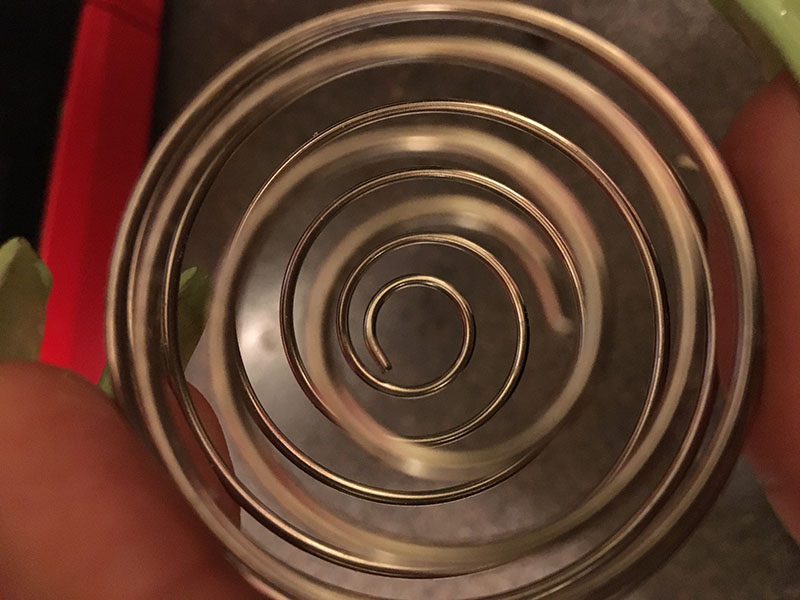
This is an image I took of my shorts at my apartment.

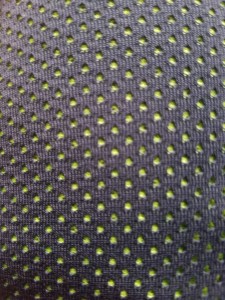
The first Image is representing point. It took a while for me to really find a good example of point that was in the physical world rather than the digital. I happened to be wearing some mesh shorts and looked down to notice they were a decent example of point. The book describes point as a pair of x and y coordinates, and tells us that it marks a point in space. Each point seen in the mesh of my shorts is a mark describing a pair of x and y coordinates.


doors

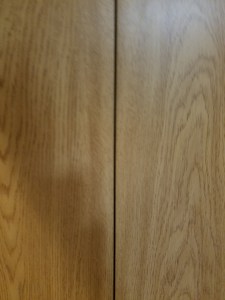
This is an image I took of my closet doors in my apartment. 

It states in Graphic Design the New Basics, that “a line is an infinite series of points…the connection between two points, or…the path of a moving point…lines appear at the edges of objects and where two planes meet.” After reading that I was looking for a good example of line that I thought would best represent this information. This is the image of a folding door I have in my apartment where the two folding pieces meet it creates a negative space forming a line. I chose this over a few different images of line that I was able to find like the corner where two walls meet.


table

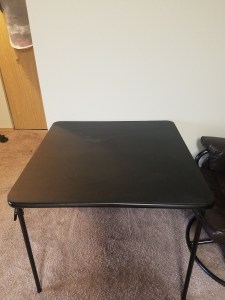
This is an image I took of my folding table in my apartment. 

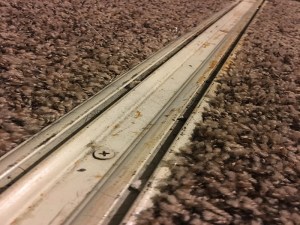
The final image I found was for plane. There are so many examples of planes when you look around a house or neighborhood. I decided to use the example of my folding table as it is a flat surface expanding in both height and width. It is considered a bounded plane as its lines have been closed to form a shape.


Posted in Fall 2017 Archive (336), Uncategorized | Leave a comment

Point, Line, Plane: Tavia Hall

The book Graphic Design: The New Basics by Ellen Lupton and Jennifer Cole Phillips states that “point, line and plane are the building blocks for design” in which it helps start the process of whatever is being created (p. 13). The term “mark making” plays a very valuable role when it comes to points, lines, and planes. Mark making is used to help create texture using different patterns, volumes and or illusions (p. 13).

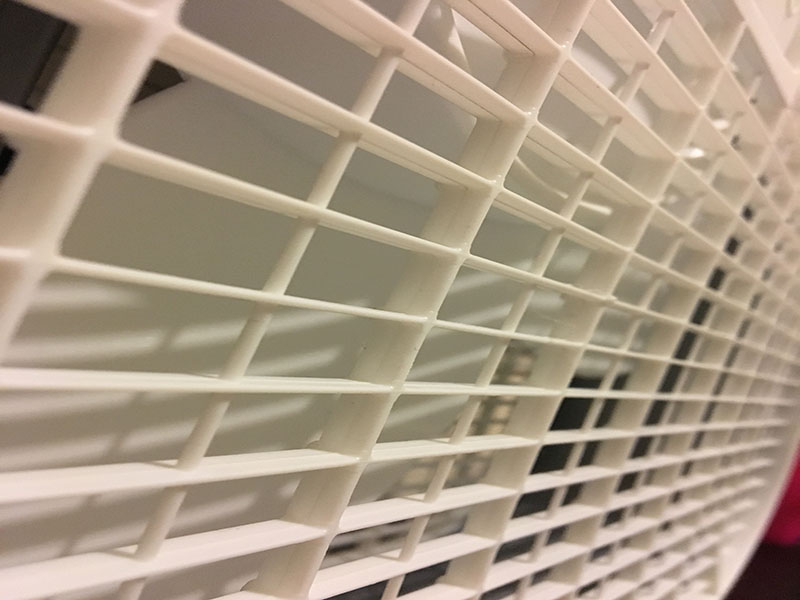
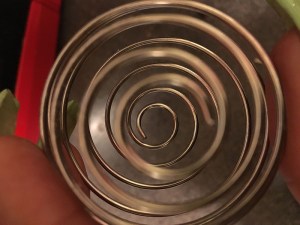
Let’s start off with the term “point”. Point is basically a mark in the position of space, it could be formed as a dot or your eyes automatically visualize it even though it’s not visually there. Lupton and Phillips state “Through its scale, position, and relationship to its surroundings, a point can express its own identity or melt into the crowd” you can really see the point of the blender ball (first picture) because your eyes automatically go straight to the center (p. 14). This is a great example of my explanation for seeing a point without having a visible mark of a dot. With that being said, the floor of my closet (second picture) and the fan (third picture) have some qualities of different points. This would be considered another way of viewing points because from my perspective I see many. For an example, the lines  give off many points just by itself because you can start from point A, B, C, or D and so on. Lupton and Phillips state “The tip of an arrow point the way, just as the crossing of an X marks the spot” Points don’t technically have to start off in the middle, but can start at the end of something especially if there isn’t a visible mark (p. 14).

When it comes to lines I was really focusing on getting the picture of my fan, although the other pictures show some line qualities the fan was really fascinating to me. According to Lupton and Phillips lines are unbounded arrangement of points and can be an association of two points or a way of a moving plane (p. 16). The lines on the fan are straight, and you can see the planes meeting each other at different angles. There’s different sizes to each line contingent upon the heading and where it’s put. You can see the lines covering each other causing texture. In the event that you look carefully you can see a super thin line over a thicker line that shows texture too.

Lastly, the term plane according to Lupton and Phillips is a “flat surface extending in height and width” every shape of a plane is a line that is filled (p. 18). Planes are seen on the fan, but I was mainly focusing on the floor of my closet. The book mentions “a plane can be parallel to the picture surface, or it can skew and recede into space” which pretty much explains my second picture. It almost looks like it’s never ending (hints “receding into space”) and from the angle I took it makes it seems as if the height and width are extending. You can see that with the fan because at different points the lines are getting larger/smaller.

Lupton, E., & Phillips, J. C. (2008). Graphic design : the new basics. Retrieved from https://ntserver1.wsulibs.wsu.edu:3447

Posted in Fall 2017 Archive (336) | Leave a comment

Point, Line, Plane: Lillie Williams

Points, lines, and planes are what create and connect designs together. Points are the singular elements that can form a line and create the length. For example, think of a line of ants and how one ant follows the other. They are each a small part of the line and are like the “points”. The plane is an extended version of a line that has more width. The plane takes up more space.

FullSizeRender

A point created and photographed by Lillie Williams

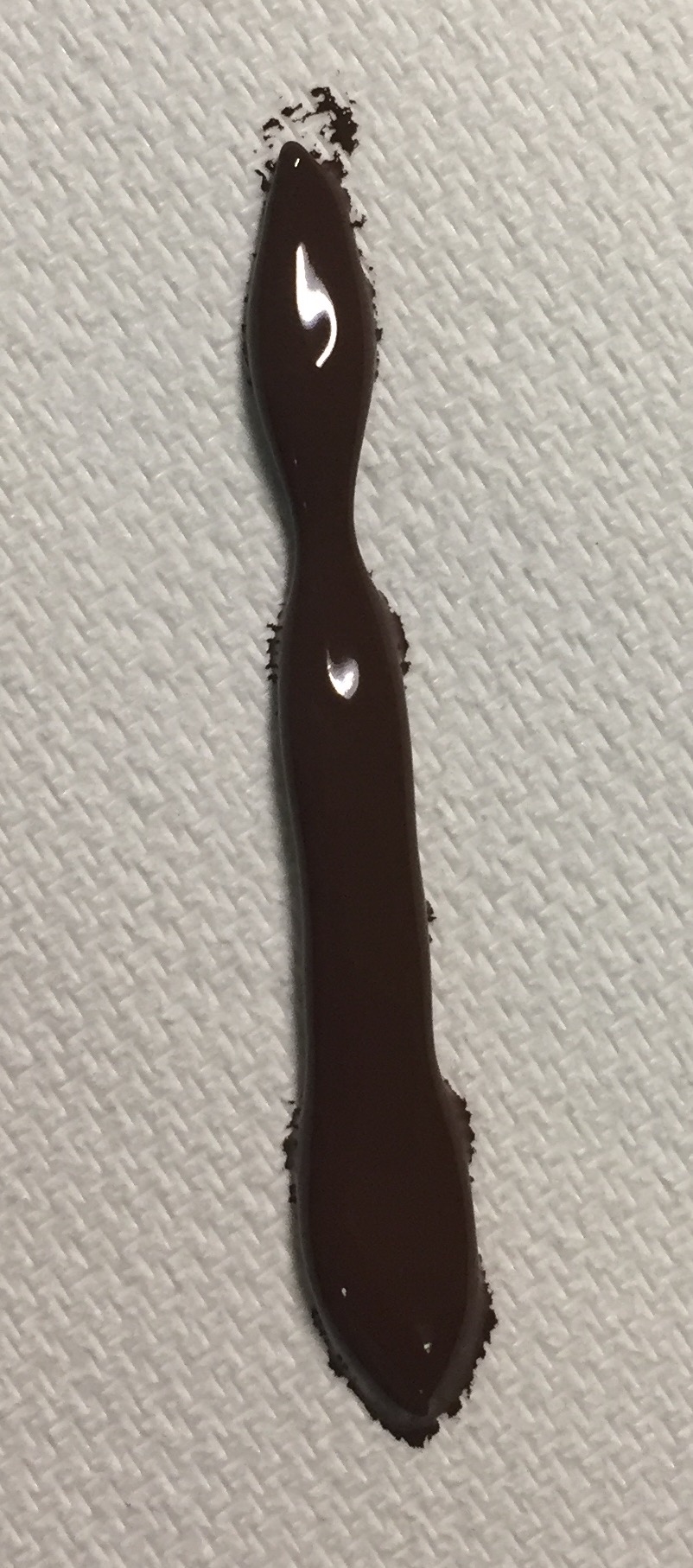
In my first photograph I have a point. We can tell it is a point because it has a certain position, there is specific coordinates (x,y) in the space. We know that it is in a precise location because there is nothing else around the paint spot. The camera was taken from a certain distance away. If the photograph was taken at a closer distance or the dot was larger and filled the entire space, then we would not have a point. The parameters we give the spot changes the image that is created. Therefore, it is important that the space is shown and we can see the contrast between the point and the space.


FullSizeRender 2

A line created and photographed by Lillie Williams

My second photograph shows lines because there is not just a singular point. There is a flow that creates a connection between different points. A line can have a different weights (thickness) and in my photograph I kept the weight smaller. The texture of the point is smooth and there is a thin line because there is more space on each side of the paint. When the weight is heavier and the paint covers more space then it is no longer called a line, but a plane.

FullSizeRender 3

A plane created and photographed by Lillie Williams

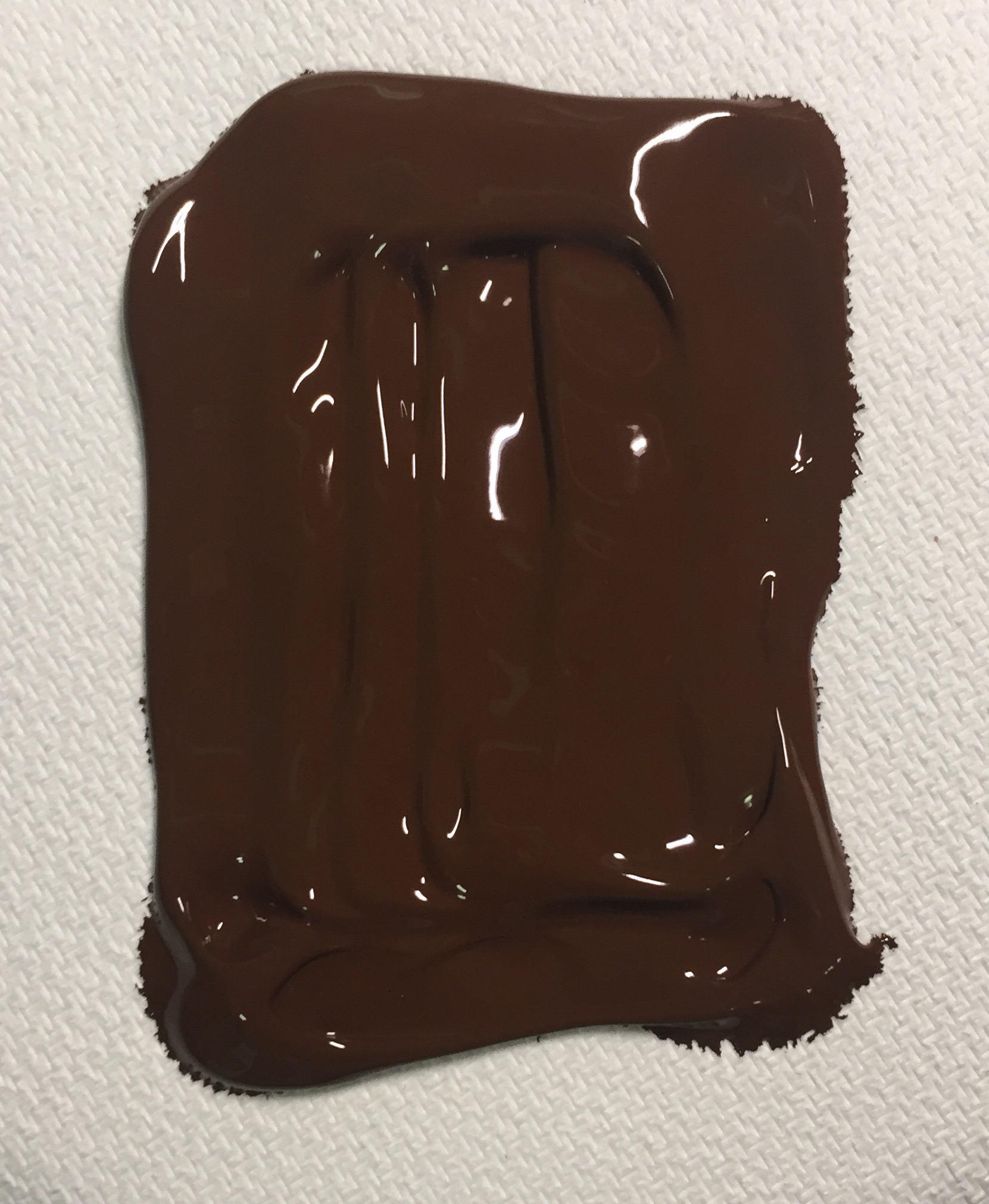
My third photograph is a plane shown in the paint. The reason it is now a plane is because it has extended beyond the boundaries of a line. The book says how “a plane is a flat surface extending in height and width”. A line is different because it focuses more on height. The plane focuses on height, but also more on width. It takes a larger area filling up the negative space that a line produces.

Posted in Fall 2017 Archive (336) | Leave a comment

Point, Line, Plane: Riley Cagle

The first photo is of a strand of lights streaming across the porch of my house. This photo represents line in two separate fashions. The initial look draws your eyes down the picture to follow the lights as they get smaller and closer together. The line doesn’t have a distinguished width to it either, as it is made up of multiple points in which your perception changes further down the line. The second part is the glare from the lights shining in a parallel fashion to each other. The glare makes up different lines cutting across the photo, separate from the main line of lights.

The second picture is of a wooden surface on top of another. The attention is drawn to the top, black surface as it contrasts against the red surface in the back. The sharp corners and edges also draw some attention to the individual surfaces and shapes. The idea of a plane extending into infinite space isn’t perceived from the black surface, but the red background a it continues off into the surface.

The third picture is of a door in my house includes a key lock. The picture includes a plane of a single, solid color, flat surface. The eye, however, is drawn to a single point in the picture. This emphasizes point. The color stands out in contrast to the dull background of the door. What makes this photo interesting is its position being off center, but still attracting the eye due to the only piece of the picture appearing different then the rest.

Posted in Fall 2017 Archive (336), Uncategorized | Leave a comment

Point, Line, Plane: Sophie Stoltman

Point, line and plane are the beginning of most art and designs. Not only are they part of design but these elements can be found all around us. For this post I decided to use my room for inspiration.

For line I photographed a picture frame. I loved the way that the frame made the line continuous and created a uniform shape. Even though the whole frame isn’t visible in the photograph you can assume that the lines connect because a specific shape is implied. In my mind each corner of the frame is a point and unified they connect the lines around the glass.

For plane I photographed lanterns that hang in my room. The line between the two of them creates depth in this photo without physically having a line connecting them. The difference in size between the lanterns helps to visualize the space that is between them. I visualize lines connecting, creating paths from the top of each lantern and the bottom of each. The shapes of the lanterns themselves can show plane as well. The 3D nature of each shows depth and texture.

In my point photograph lines are used to create a center vocal point. The negative space in the middle of the dream catcher brings you into the middle and stands out against the intricate design of lines around it. There is no volume or mass to this point, it exists only because of the masses around it. The focus of this picture is elevated by some other small points in the dream catcher that accent the center. Small beads decorate the inner design and keep the eye moving inwards.

This assignment was particularly difficult because point, line and plane incorporate with one another in almost everything we see. Trying to isolate one is a challenge and even when doing so it is easy to see examples of one another in everyday life. I think that point, line and plane are each more separate when looking at virtual examples instead of physical ones in the world around you.

Posted in Fall 2017 Archive (336) | Leave a comment

Point, Line, Plane: Whitney Demarest

When I opened up the topic for this weeks blog post, I thought that I had a strong understanding of what pont, line, and plane were. I thought to myself yeah, this blog will be a piece of cake! … then I looked at the readings and suddenly felt wildly confused about the differences between the three characteristics. I could undoubtable show you an example of each, but there is no way that before I went through this weeks readings that I could describe the aspects that made each characteristic different from the other.

Photo by Whitney Demarest

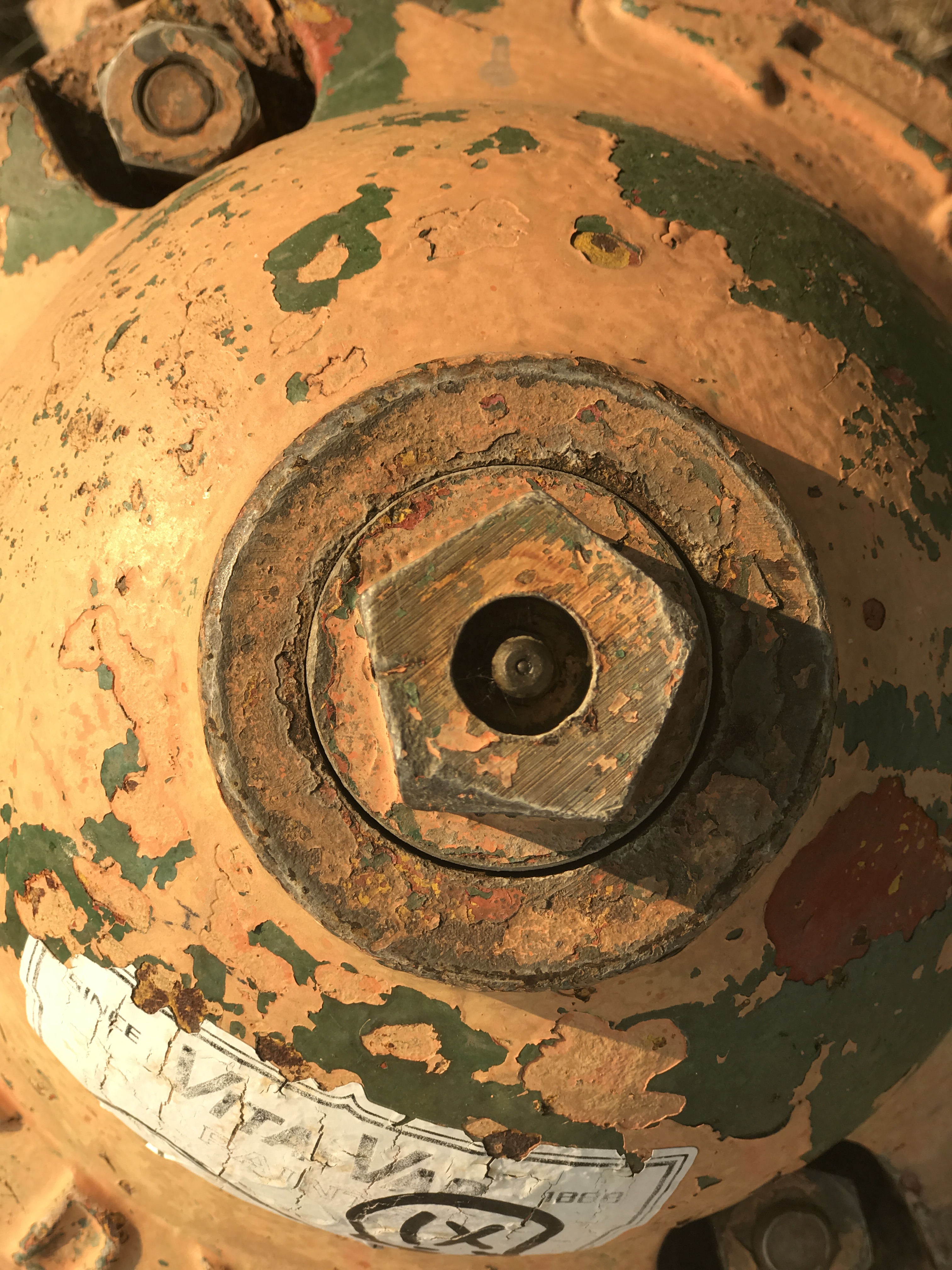
This first example is of a point. I took this picture of the top of a fire hydrant because when I was thinking about objects that I have specific x and y coordinates, I thought about the firefighters who have designated fire hydrants around every building. If you took an arial picture of pullman, and highlighted the tops of every fire hydrant, the literal form they would take on a map would look like the image I took. Lupton’s book also talks about how the object would be seen when plotted on a graph. If you used the arial view of Pullman, you could connect the plotted hydrants to portray the type of line graph the book talks about.


Photo by Whitney Demarest

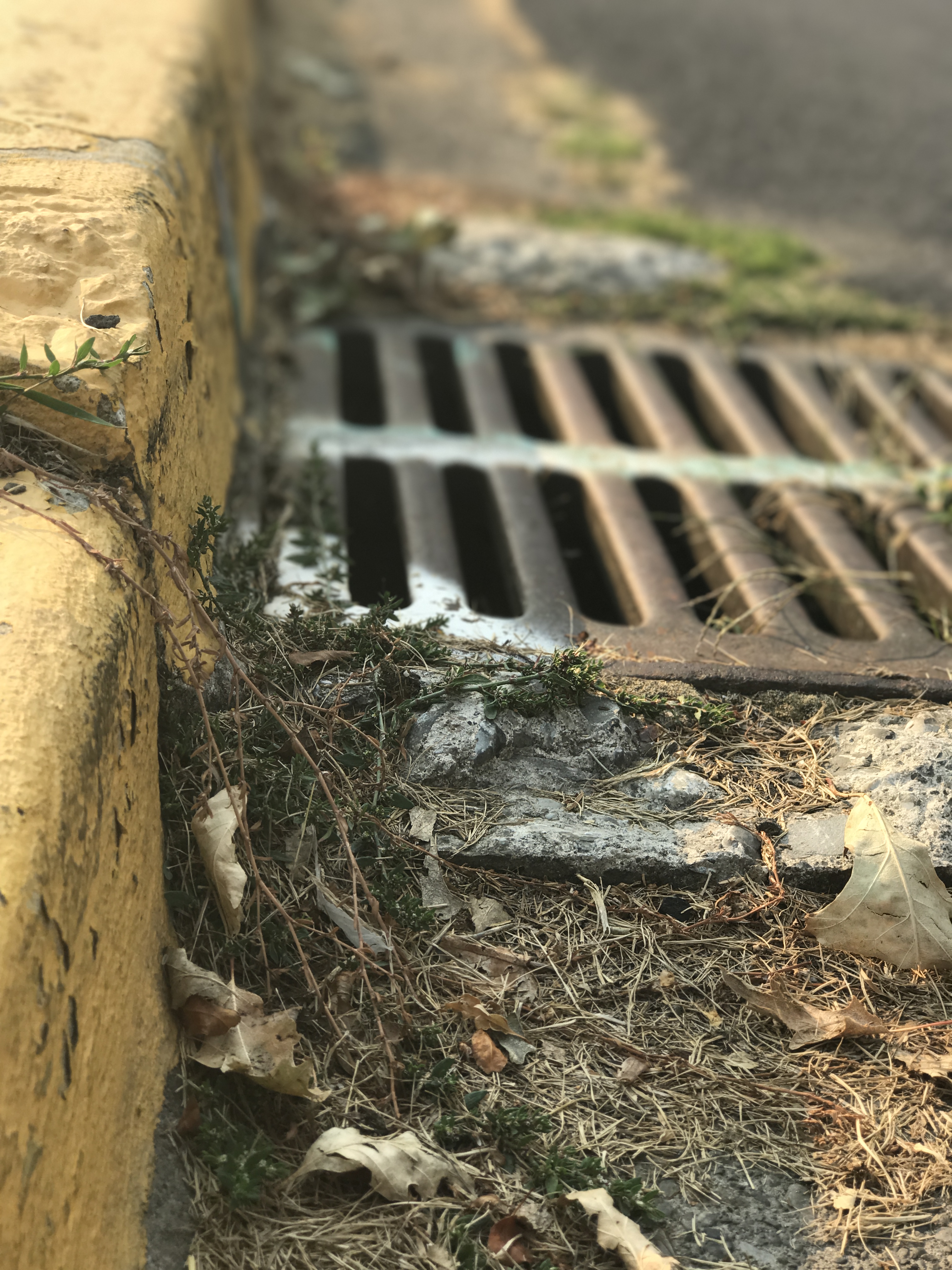
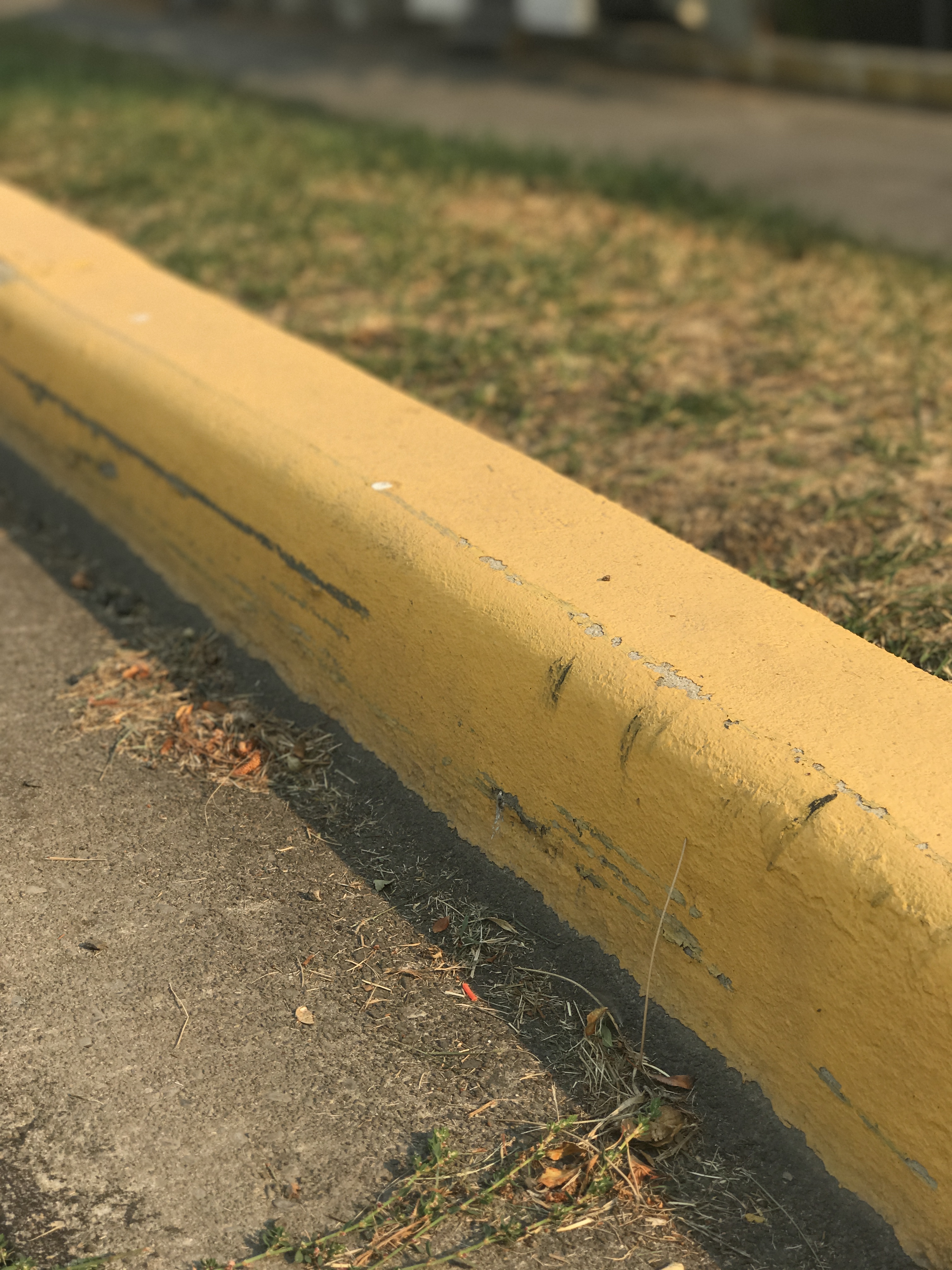
A line is different from a point because it is infinite. A point has a single set of coordinates, or a single point on a graph, but a line has an infinite number of points. This is a picture that has multiple sets of lines. the first is the yellow curb that really does feel like it could go on forever. The second set of lines are the ones on the drainage grate. These lines have an infinite number of points, but still have a visible ending.


Photo by Whitney Demarest

A plane was one of the terms that I could show you an example of, but wouldn’t necessarily be able to explain the difference between it and a line. After reading, I am still a little confused, but I do know that a plane has width and always consists of a line and a fill. I understand that type is an example, as well as most things I can create in illustrator, but I am not sure if this image is a good example. The curb has width, and you can infer that the edge of the curb is the line, and the yellow concrete in between is the fill, but i am not sure that it serves as the best example.

Posted in Fall 2017 Archive (336), Uncategorized | Leave a comment

Point, Line, Plane: Jessica Colvin

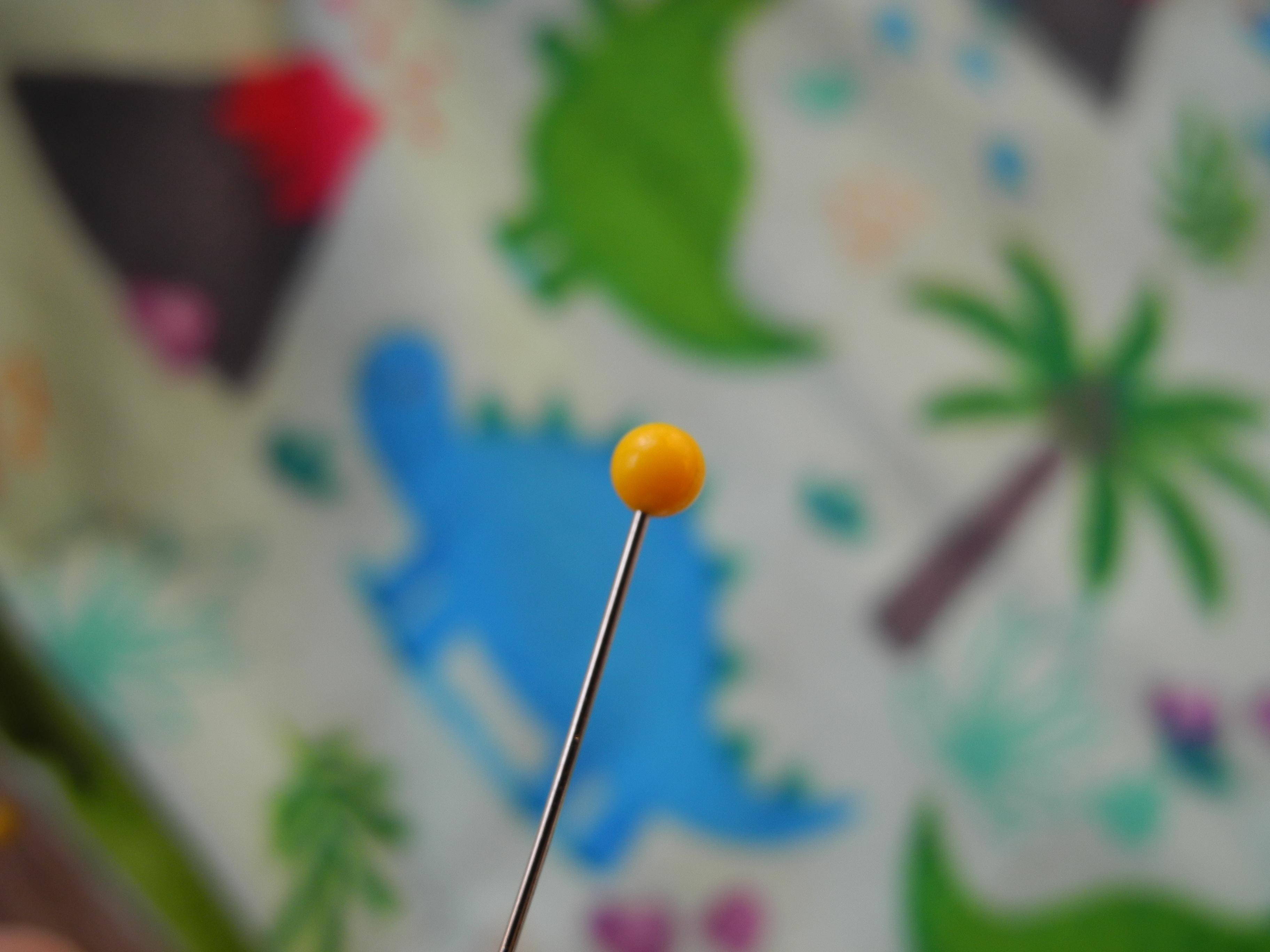
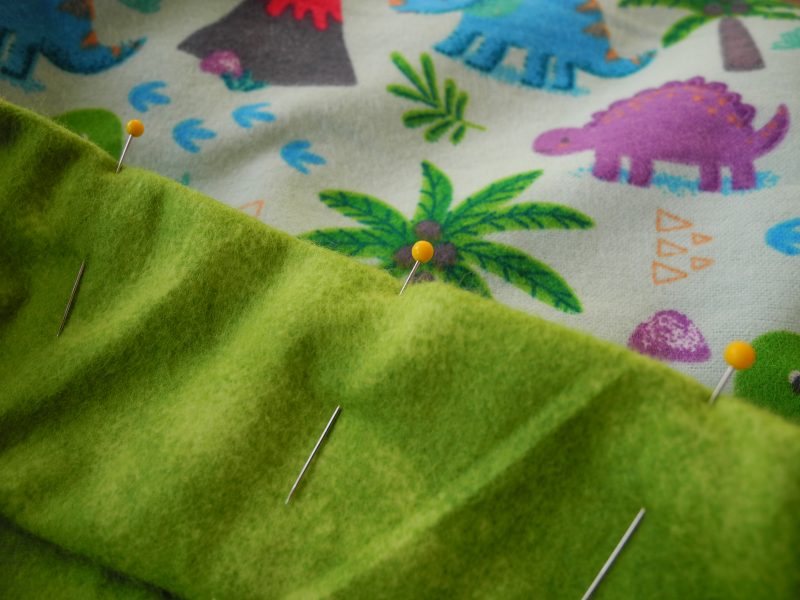
Sewing pin photo taken in my home.

While working on a sewing project this weekend, I noticed that the process of sewing a garment is made up of points, lines, and planes.  Points, as defined in Graphic Design: The New Basics, mark a single position in a larger field of space.  In sewing, my pins act as points both visually and functionally.  In function the pins anchor planes of fabric together at a single position.  Visually, the bright yellow head of the pin is an easily noticed point.  This is an important design aspect in pins so that they are easily found in your project or on the floor if they get dropped.


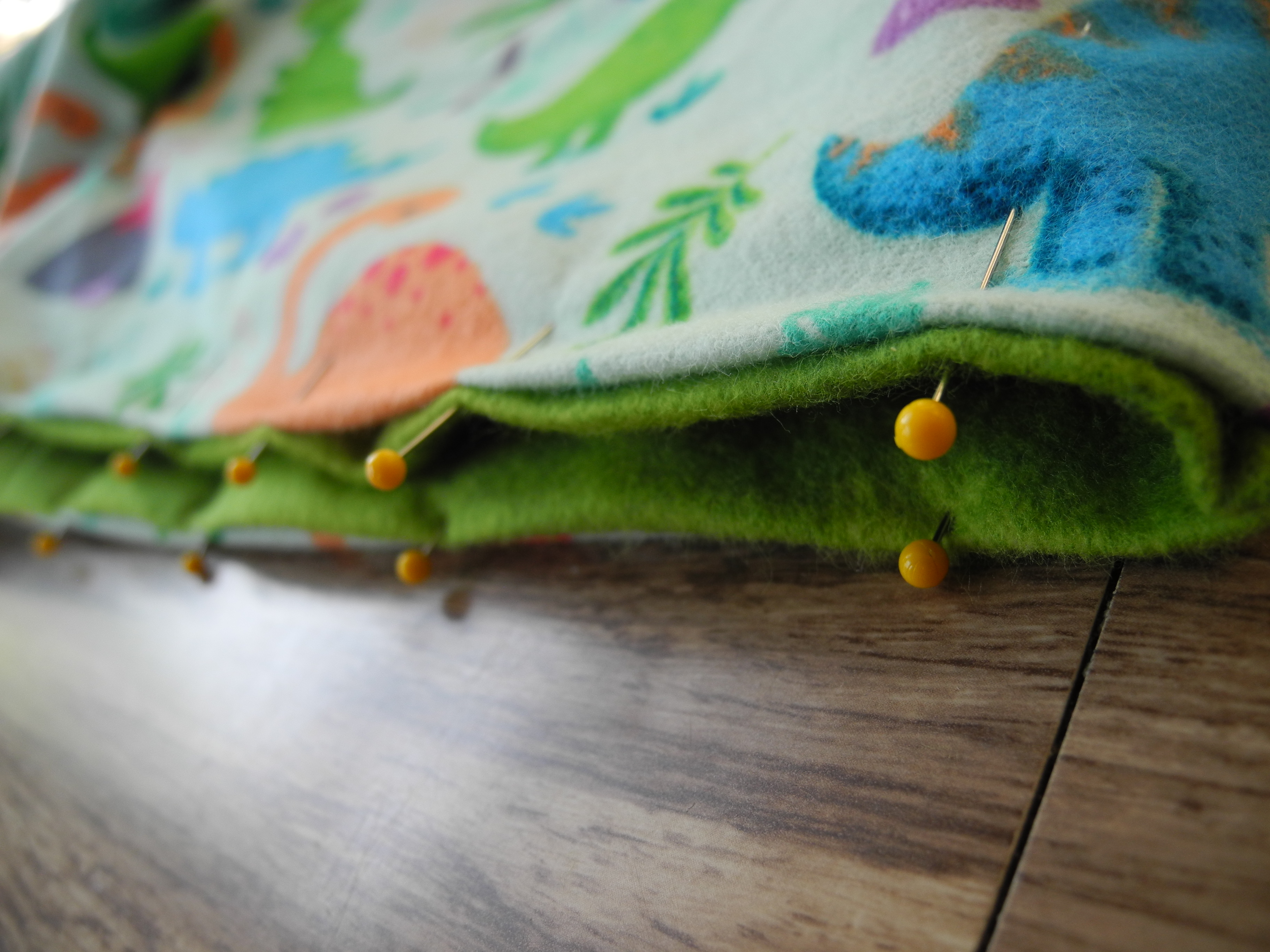
Row of pins along a seam-line


In sewing, seams functions as lines because they mark and define the edge where two planes of fabric meet.  In the photo to the right you can see where a row of pin points mark the line where a seam will be made.  This seam will be held together by a line of thread once it is run through the sewing machine.  If we could zoom in enough on the line of stitching we could see how this line is made up many smaller lines.


Two planes of fabric with a seam-line being marked by pins.

My fabric in the image to the left is arranged so we can see how it makes up the two planes that are joined by the seam-line.  If I were able to zoom in close enough, we could see that the fabric is made up of thousands of woven lines of thread.  These lines all stacked together make up the breadth of the fabric which you can then cut into shapes and reform into objects with volume.

Posted in Fall 2017 Archive (336) | Leave a comment

Point, Line, Plane: Camille Oppedal

String of lights in my room.

This photograph showcases the concepts of both point and line. The fairy lights themselves, tiny glowing orbs, represent point because they are a single, finite object in space. The string that holds the lights represents a line because it is a drawn out series of points, extending either from one point to another, such as in this case, or infinitely. The string demonstrates line in a curved format as well, as the flow is not strictly following a linear progression, but rather a slight parabolic one.

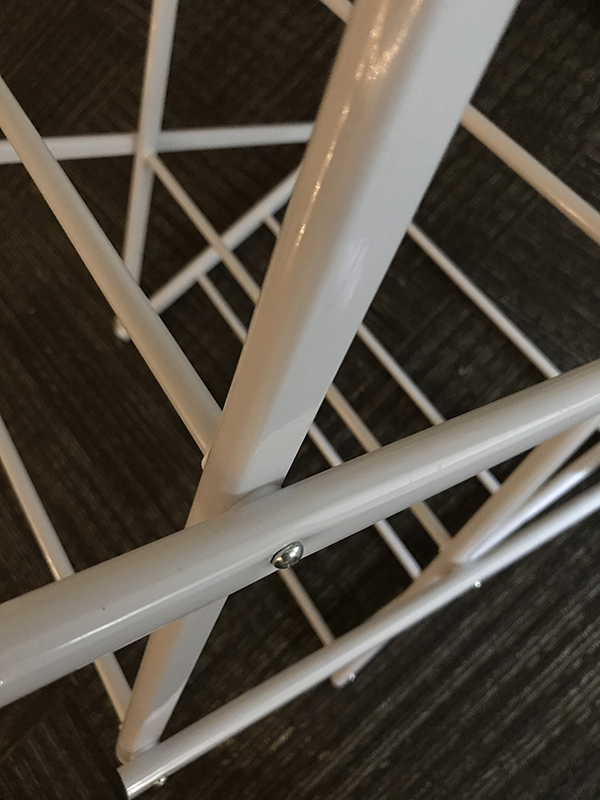
Close up of the lines of my laundry rack.

This next photograph represents line as well, but in a more linear, overlapping fashion than the lights. The hard, thick lines of my laundry rack form more solid, weighty lines than the dainty fairy lights and give off an industrial feeling. They also form geometric shapes in the negative shape where you can see my carpet. This is a byproduct of the overlapping of the elements and the specific angle in which I took the photo.


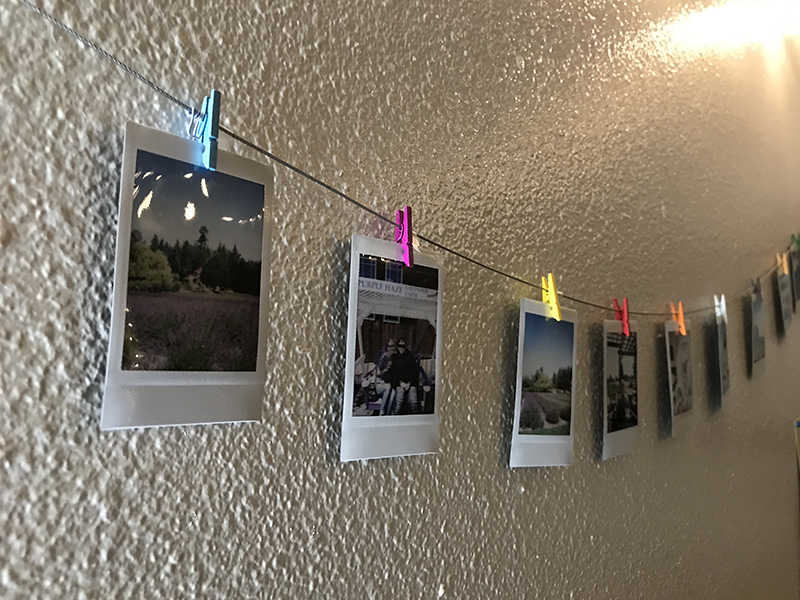
String of polaroids on my wall.

This final image represents both line and plane. The line of the string holding the polaroids is a parabola, a finite connection between two points (the ends of the string, which are not visible in the image.) The polaroids, however, demonstrate plane, as they have breadth and take the form of rectangles, shapes that have width and height. The polaroids give the impression of depth and distance because I took the photo at an angle, thus altering the perceived width and height of the polaroids as they move farther into the background. The skewing of the polaroids showcases the nature of planes when operating in space.

Posted in Fall 2017 Archive (336) | Leave a comment

Texture Evan Taylor

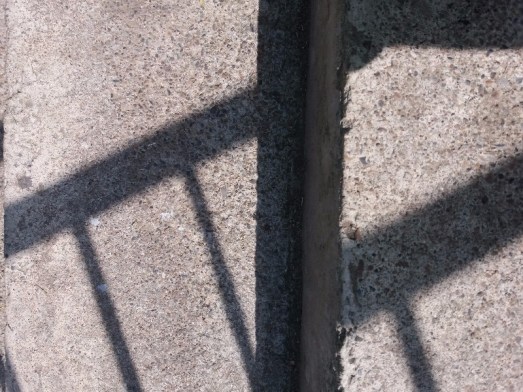
For this assignment I found myself looking for patterns and textures that I pass every day without really noticing. The first picture is old concrete steps leading to my front porch. They are well weathered and pretty rough, on top of the steps is a shadow from a metal railing. The shadows create a repeating diagonal pattern of rectangles. I chose to take the picture from an angle that would create a different perspective of the steps that I found interesting. At first glance, you can’t tell exactly what you’re looking at but recognize the materials to be concrete and most likely outside due to the bright contrast from the sunlight as well as the worn down surfaces of the once smooth concrete.

20170829_120903 (1).jpg

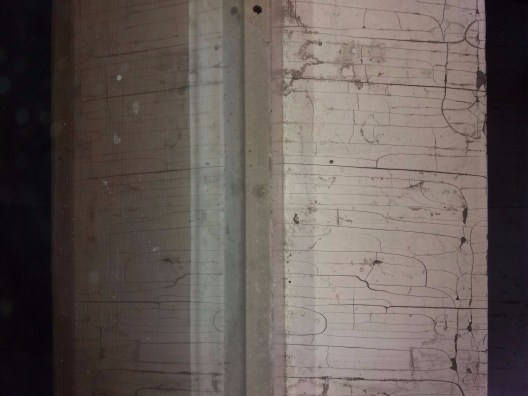
The second image is more abstract than the first; most people probably wouldn’t recognize it without being told. It’s actually an old wooden window seal, at the base of a large window. The cracks in the paint create a texture and pattern along the entire piece of wood. Looking closer you can see that the cracks create lots of interesting shapes and marks varying in size. My favorite part of this picture is how the glass window mirrors the wood making it seem much larger than it actually is. The reflection reminded me of a virtual rendition because it’s an exact copy of the original object but you can’t physically touch or interact with it. The texture of the surface was consistent when brushing a finger across the cracks but inconsistent with dust that covered the surface of the paint.


20170829_120830 (1) (1).jpg


Posted in Uncategorized | Leave a comment

Textures: Allison Cissna

For this first blog post I was searching for a cool pattern to use and that’s when I noticed just how many textures and patterns are around me. In my opinion, the difference between texture and pattern is textures are more three dimensional where as patterns are more one dimensional. The way our eye observes textures is fascinating because without feeling the texture itself, our brain can predict the feeling based off of familiarities and how we connect reality to virtual reality.

My first image is of the tapestry I hang on my wall behind my headboard. This pattern incorporates several key words that are listed in the book “Graphic Design The New Basics” by Ellen Lupton and Jennifer Cole Phillips. This tapestry has several dots thats are repeated throughout the fabric in one continues pattern. The image suggests a horizontal pattern repeating singularly, while also implying ideas of movement. The overall tapestry has a pattern of a mandala which is a pattern that sometimes has change in color, scale, or orientation, but always has a lovely symmetry.

My second image is of a pillow in my living room. This pattern is not as complicated as the tapestry but still has a repeating pattern with a light texture. The texture on the pillow almost looks like a gradient by the way I captured this photo in daylight. With curvy lines and diamond like shapes this pattern could easily be scaled into a larger pattern since this probably was just one tile created.

Posted in Fall 2017 Archive (336), Uncategorized | Leave a comment