Art Museum Visit: Matthew Behnen

by Robert Rauschenberg

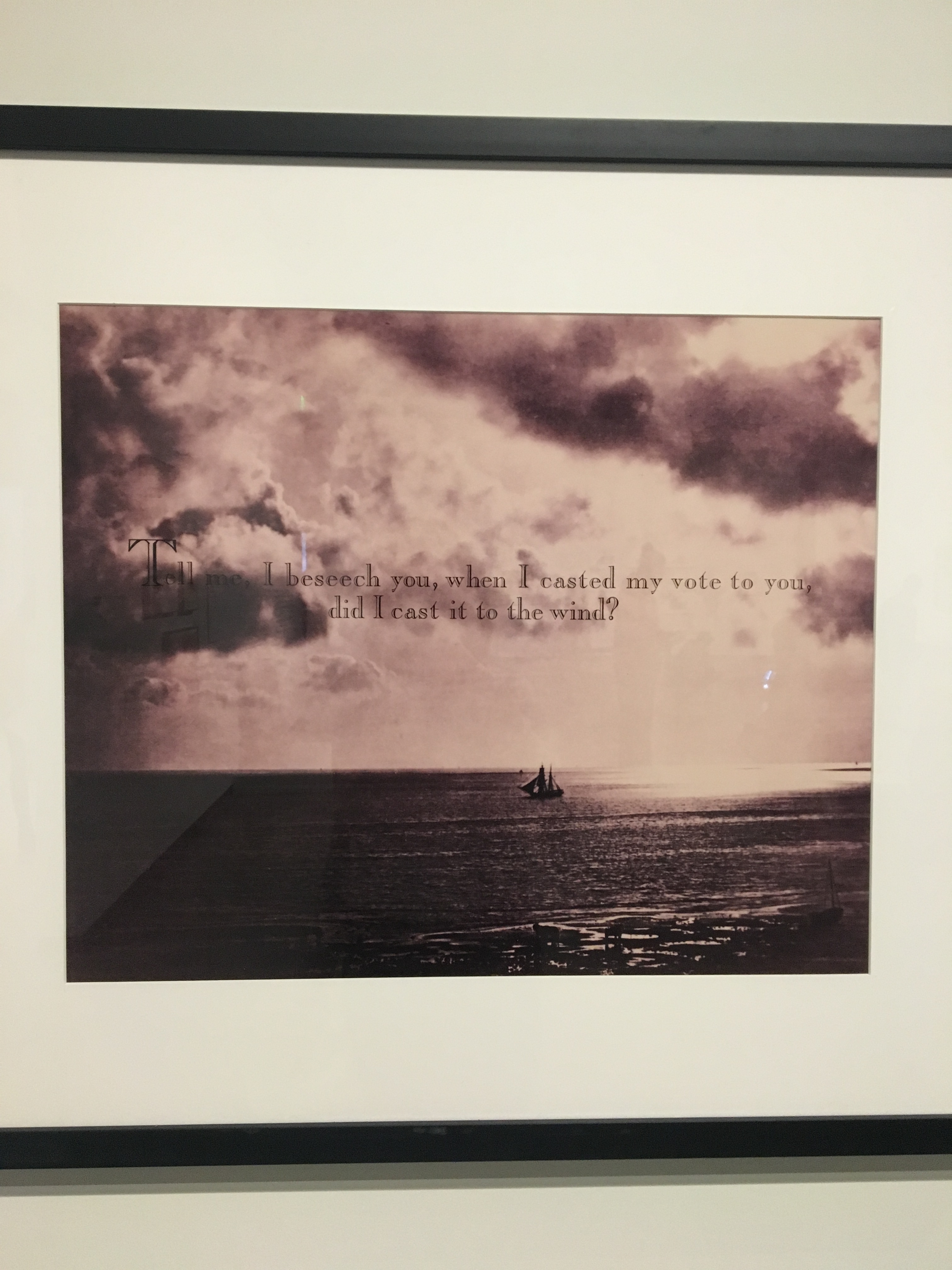
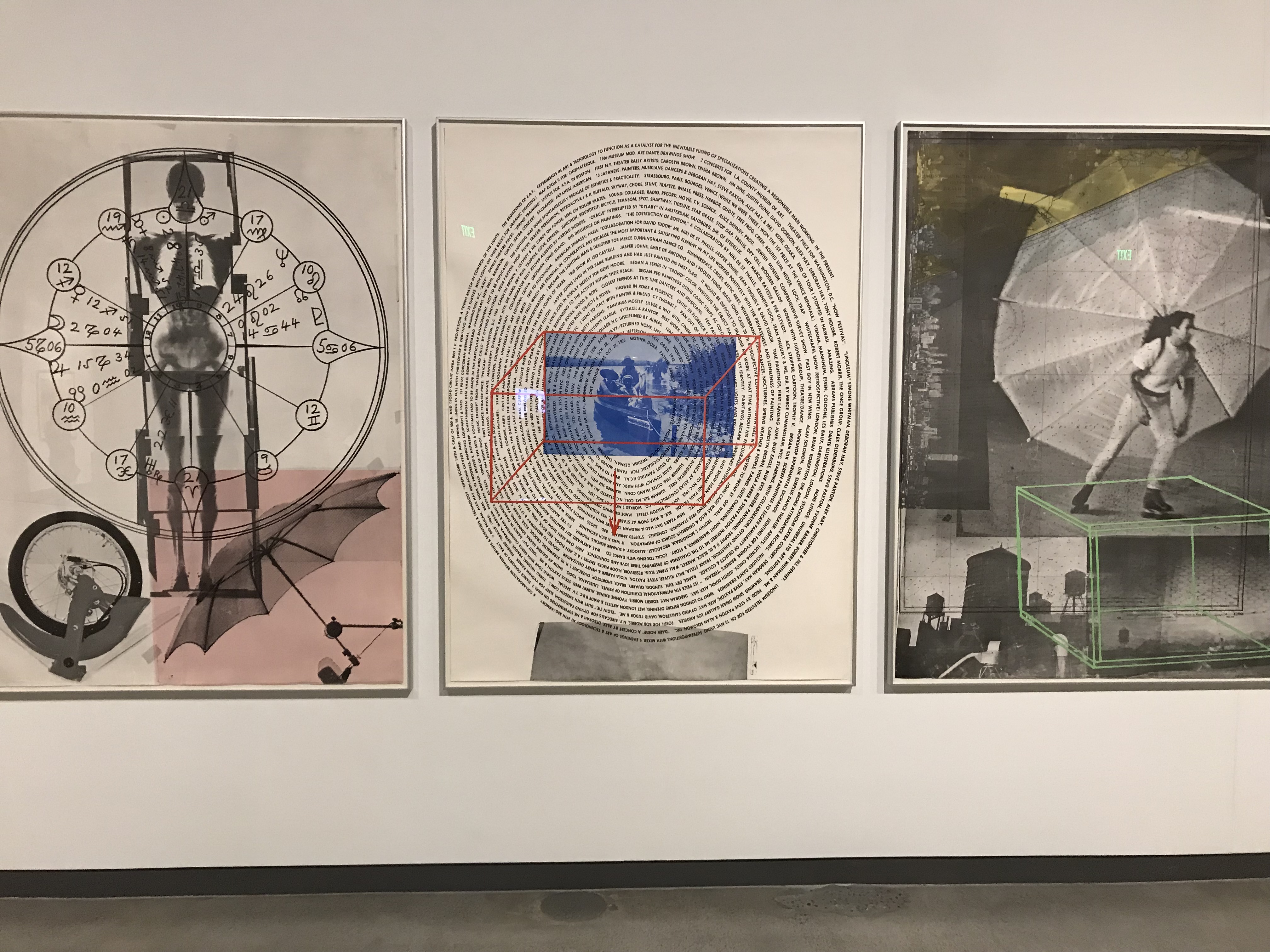
I think this is an interesting and relevant example for me because the picture uses a typeface that is sim ilar to mine in the sense that it has a constant x-height for every letter. This is also an interesting piece because the way the words are wrapped around in a spiral pattern, starting form the middle and working its way around and out, is very interesting to look at. I also like this image because it is one of three in a set, and each one of the images in a set are different images of the artists life, showing off things in his life and things about him. One thing that was very interesting about this image was the face that there is a 3D box in the middle of the image that does not seem to have any meaning or reason for it being there. Also the fact that the words are an autobiography of the artist, and it starts with where he was born in the middle and as he grew up and matured, it is described as the words go around the spiral. This is also an interesting picture because the image from a distance, looks like a fingerprint, symbolizing the autobiography because just like a fingerprint, the words represent him. Some things about this image that will influence how I create my typeface are that the words don’t have bold stems and spines, but are all consistent, and that is how I want my typeface to look like, where it is simple and easy to read, and also clean and consistent. What I like about this typeface is that all the letters are capitalized, making it so no particular words stand out and seem more important than others.
Posted in Fall 2018 Archive (336) | Leave a comment

Art Museum Visit: Callie McCluskey

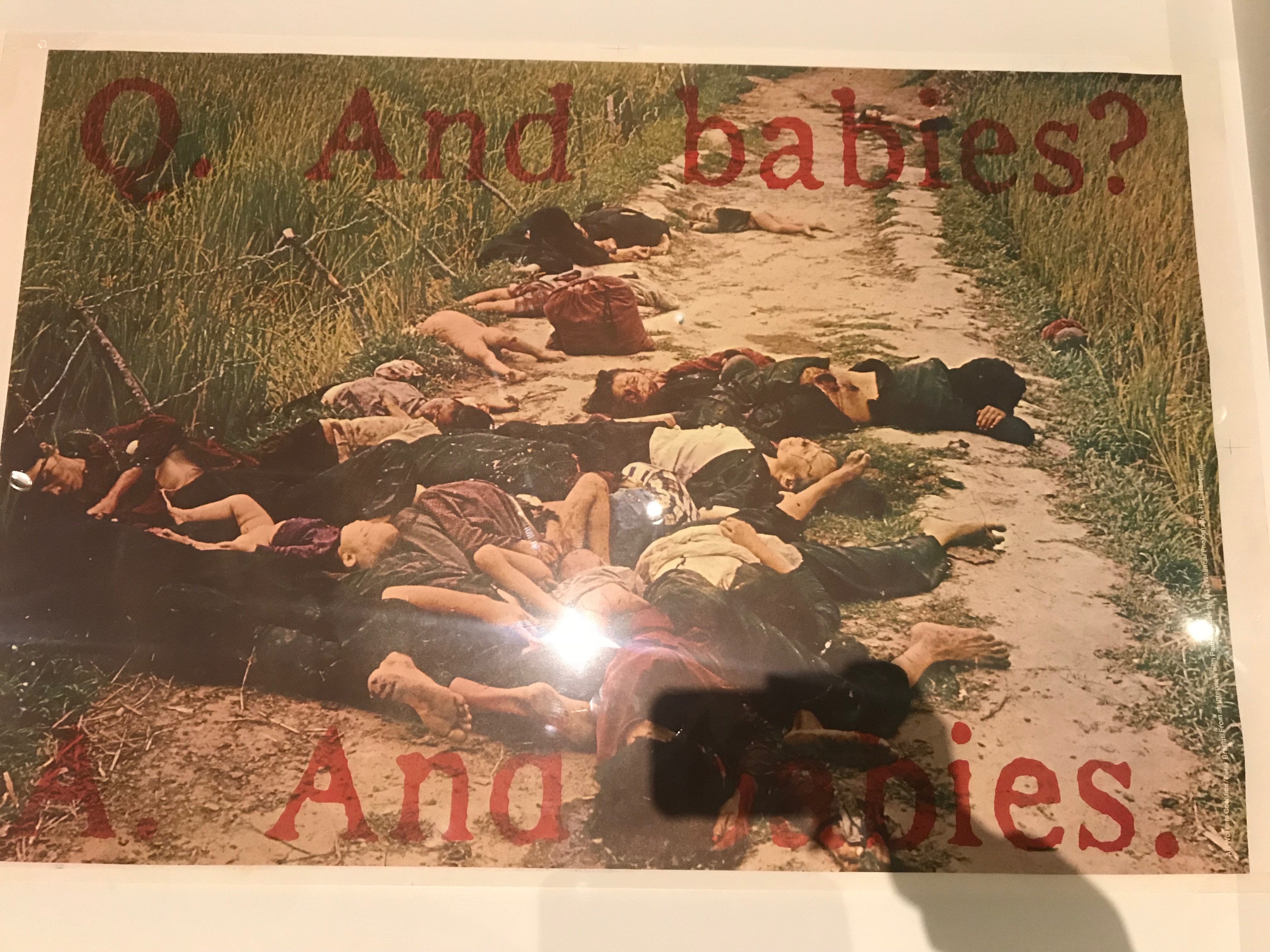
Art Workers Coalition, And Babies

I choose the work And Babies by the Art Workers Coalition to analyze the text and image relationship. The poster was created as an anti-vietnam war protesting 1969. It approapriates combat photographer Ronald L. Haeberle’s photo documenting the My Lai Massacre. The photo shows a stack of dead bodies, which, image alone, is very powerful. The Art Worker’s Coalition group then approapriated a quote from an interview of one of the soldiers who was a part of the massacre. The text says “Q. And Babies?”, “A. And Babies.” referencing the interview. Combining the text and image adds context to the image as well as makes them think about the bodies as individuals rather than an image.

I see the piece as just as much image as it is text. Both parts have a very strong meaning by themselves but together they are even more powerful. I also think by using an image that was already more recognizable, it would make people take the time to read and contemplate the added text. The typography that was used in the image feels printed, however, the text isn’t very crisp, suggesting that it may be a screen-print. It is in a transparent red shade allowing the viewer to see through to the image. The text is separated at the top and bottom of the image, making the reader ready the question “Q. And Babies” and pause to look at the image before confirming “A. And Babies.”. The text feels approapriate because the typeface they used legible even though it integrates into the background. They also printed in red which feels like it could be representational of the bloodshed from the massacre. Although the image could be considered a collage because it uses text and image from two different sources, it doesn’t feel like a collage. I think they chose to screen-print the poster in order to get the image out into the public as much as possible.

Posted in Uncategorized | Leave a comment

Art Museum Visit: Julia Midkiff

IMG_4105

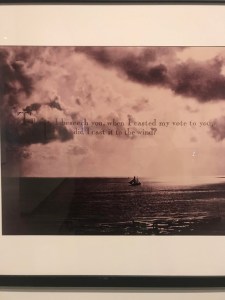
“I Beseech You” by Carrie Mae Weems. Chromogenic print, 1996

When viewing the artwork at the museum, Carrie Weems’ piece “I Beseech You” immediately caught my eye as it was different from the bolder and more graphic pieces surrounding it. A sharp let light font faintly overlays a 19th century photograph of the ocean and sky with a boat in the water. The image has a reddish-brown hue to it which ads to it’s sense of age and the modernness of the font creates a theme regarding the history of photography.

For me, I am always drawn to things inspired by nature or landscapes (just as my own typeface project is), so I couldn’t help but be interested in this piece. What I found most interesting is the way the artist laid the words over the photograph; it is directly centered and actually takes up very little of the space of the photograph. Also, I was interested in how there was such a modern and crisp font laid on an old photograph of a natural environment. The mixing of mediums and styles creates a contrast that allows for an interesting message behind the artwork, but the artist still managed to have the two different mediums work well together in the form of balance, contrast, and legibility. It makes you look closely and carefully, but it is not impossible to read.

Being that my project is based on an arctic landscape, this piece allowed me to contemplate ways I can integrate text into a natural environment. I was originally thinking that I will have to digitally produce a poster in Illustrator, even though my typeface is made from physical materials, but this artwork showed me that typeface and photographs can very much mesh together when done correctly. It made me wonder if I can perhaps integrate my text into an image of a snowy environment. For example, since my typeface appears to be made from snow, I could use Photoshop to integrate my letters into the snow of an actual photograph of a snow-laid environment.


Posted in Uncategorized | Leave a comment

Past, Present, and Future Technology: Interview Ideas: Tori Bredy

In the book, “Soonish,” written by Kelly and Zach Weinersmith, I chose to focus on the second section and the chapter on Augmented Reality (also referred to as AR). When browsing through the different sections and chapters, I was really intrigued by this particular one. I have been fascinated with the technology, Virtual Reality (VR), so wanted to read this chapter and learn about what Augmented Reality was, thinking the two were not so much different.

After reading the book, it is interesting to think about AR to notions of oral history. With AR, the viewer is able to slightly warp their reality by adding virtual elements on top of reality as seen through the lenses. This relates back to oral history because viewers, especially people of younger generations tend to get distracted when trying to focus on listening to one specific thing. We tend to take our other technological devices and browse Instagram when watching tv or videos for educational purposes. But with augmented reality, we can use technology to make interviews and sharing of oral history more intriguing and easier to engage for younger generations.

For the final project, I would like to interview my mother. My mother is an eighth grade teacher and has been teaching since I was in fifth grade, or about ten years, and technology has definitely changed within the last decade. I would like to ask my mother questions about how technology for her as a teacher has changed within the last ten years with her teaching materials and how technology has changed for her students. I do know that her eighth grade students are checked out a mini laptop at the beginning of each school year that they must bring around to classes for school purposes, one piece of technology I did not have when I was in eighth grade. I would also like to ask my mother questions about her personal opinions with the educational technological advancements such as SmartBoards, using Google programs like Classroom and Drive, and students carrying around laptops for class. I would like to conduct this interview in my mother’s classroom so I am able to look around and talk about any technological items I might find, but enclose in around her desk as her classroom in large and I want the audio to not be echo-y.

Posted in Fall 2018 Archive (201), Uncategorized | Leave a comment

TBA: Alex Allen

The film Helvetica, is a documentary produced by Gary Hustwit about typography in general; but also about the Helvetica as a typeface itself. In this film, many influential typographers and graphic designers provide their opinions on Helvetica and how they have seen this font/typeface explode to such a wide audience. Lastly, this film also explores the differences between modernist and post modernists and why the revolution and evolving of fonts has presented such a dispute in typography.

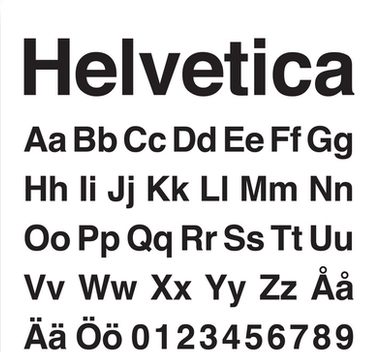
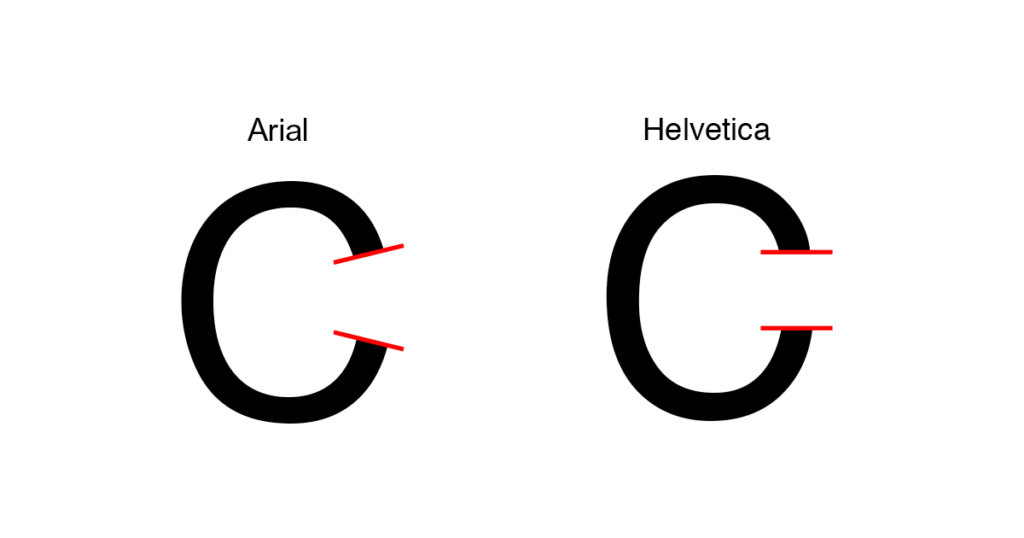
So, why is Helvetica so widely used around the world? What is it about this typeface that makes it so appealing?? Plain and simple, Helvetica is not overly complex and gets the point across in a clear and legible manner. The characters that make up the Helvetica typeface (as displayed to your left Fig. 1) are organized just like the structure by which the typeface was created. Straight forward and always horizontal and vertical strokes on its ends, never slanted or diagonal. Also, Helvetica’s use of white space below letters makes this typeface


more adaptable for a wide array of different projects one might have. This gives the typeface a more contemporary and polished look that is easily legible, as seen below in Fig. 2.


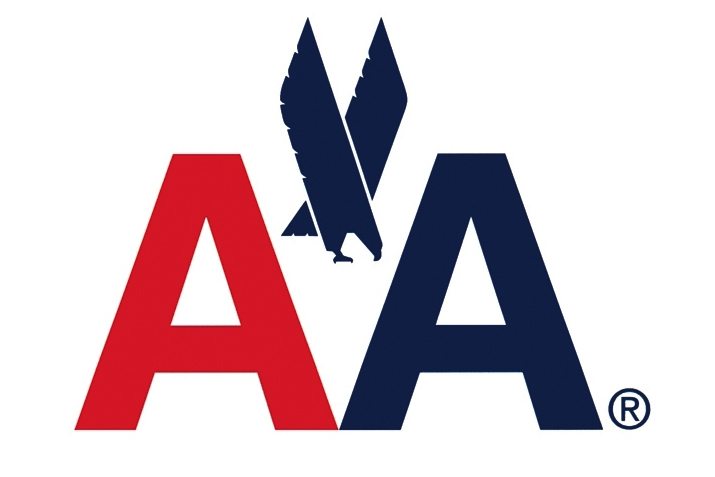
When it comes to Helvetica there are really only two outlooks to this font, Those who hate it and those who love it. Designers for example, choose their font based on the message they want to convey. But in some cases designers struggle to find a font to use and play it safe by using Helvetica as a reliable back up option. You will also find commercial companies use Helvetica for their logos, advertisements, and marketing materials to capture the consumer’s attention while not confusing them with the message you are trying to get across. An example of this would be the old American Airlines logo that uses two capital “A’s” next to each other in Helvetica. American Airlines used Helvetica because it was simple and easily readable when it is in motion. Fig. 3.


I would have to say this documentary was very informative and made me realize that Helvetica is used on pretty much everything from street sign to billboards to words on buildings! One interview that stood out to me in this film was with Erik Spiekermann when he was talking about his obsession with type and that made me think that the time designers have to invest just exploring different typefaces is very prominent in a designers success on a project. He also goes on talking about how Helvetica has no rhythm and no contrast like if we were to just write letters on a paper our self. This was really interesting and made me think about what my hand writing would be categorized as. This got me thinking about how I can change the way I write to present myself in a more creative way. This combined with my love of travel music and soft studying music that I listen to on YouTube, made me come up with a typeface that resembles my own creativity and modernist point of view.

Posted in Fall 2018 Archive (336) | Leave a comment

Art Museum Visit: Claire Martin

I Beseech You by Carrie Mae Weems

I Beseech You by Carrie Mae Weems

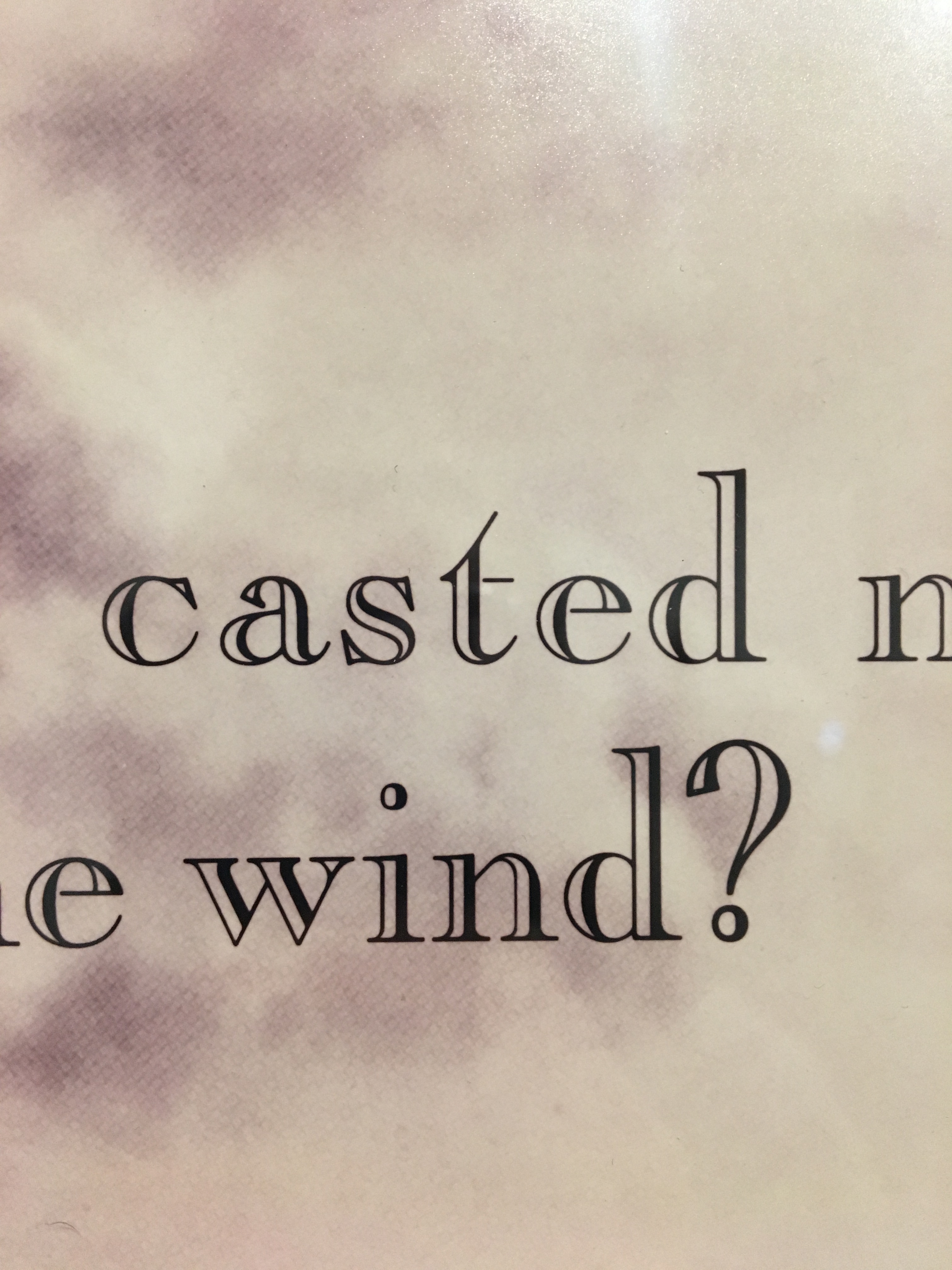
The piece I really enjoyed from our trip was I Beseech You by Carrie Mae Weems. I was drawn to this piece because I love photography. I think this piece is very relevant to my project because it features a very unique typeface that’s based off other typefaces. The typeface of the piece is very uncommon and to me looks to be reflective of older typefaces, like Bodoni, particularly because of the sharp serifs. The typeface is also sort of hollow which is reflective of Imprint MT Shadowed. However, some letters, such as the lowercase ‘A’s and lowercase ‘Y’s are very distinctive and irregular. The lowercase ‘T’s also feature a few unique extension on the apex that makes them appear extra sharp. While this typeface emulates parts of specific typefaces, when creating my typeface I wanted to emulate the characteristics of typefaces from the time period in which my text was written. Like the typeface used for I Beseech You, mine also has some unique features, however these take the form of the thorns and roses. The extension of the ‘T’s in

I Beseech You by Carrie Mae Weems

The t featuring an extension on the apex.

particular has inspired me to experiment with the structure of my typeface.

As stated in the illustration reading by Timothy Samara, “putting photographs together increases their semantic power and creates narrative or storytelling; the instant two images can be compared, whether juxtaposed or arranged in sequence, a viewer will try to establish meaningful connections between them”. While Samara was talking about two photographs in this quotation, I feel that it is very applicable to I Beseech You and its use of a photograph and text. The addition of the text over the image causes viewers to created a narrative as Samara mentions about and as many people did in class when we looked at this particular piece. When my typeface and poster are finished I want people to look at them and create some sort of backstory based off of them.

Posted in Fall 2018 Archive (336) | Leave a comment

Past, Present, and Future Technology: Interview Ideas: Jenna Walker

Soonish: Ten Emerging Technologies That’ll Improve and/or ruin Everything, touches base on how drastically technology can change. It takes about robots being created, 3D printed food, and much more. This book touches base on many things that have been created in today’s society, such as, robots and 3D printers. The relates to the notion of oral history because it is astounding how far technology has advanced. So, comparing and contrasting past and future and sometimes seeing that what was predicted long ago happened, is amazing. For my interview, I would like to interview my grandma. My grandma is a very innovative woman who I feel like I can relate to a lot as we both like to read, write, and are very creative people. She has continued to craft, read, and write as she has gotten older so talking to her about how differently technology has changed specifically for her and her hobbies could be interesting. As for the theme, I think I would focus on the writing portion of technology. As an English major, I think this would be the most interesting for me, and since she also enjoys writing and editing I feel like this create very good conversation between the two of us. Specific technology I would focus on is typewriters, the very first computers, to current computers/laptops, and texting. My grandma is very against shortening the words in text because she believes it has ruined the English language and some aspects, but now since she has started texting herself, it would be interesting to see how her point of view shifted. When this topic was first presented, I knew right away this is what I wanted to do because of how similar we are and the common interests we share. She is extremely insightful also so I know she will have a lot to say regarding the topic.

Posted in Fall 2018 Archive (201) | Leave a comment

Past, Present, and Future Technology: Interview Ideas: Timmy Huynh

I read chapter 10 on Bio-printing. This chapter had a lot of hypothetical as to what could and can happen if you were to need an organ. But one thing that ties with oral history is that they explain how these organs are obtained and distributed currently. They showcase the steps of waiting for the transplant list, the order of importance or emergency people get these organs, and the amount of people affected by the poor system currently in place. They then go on to explain how there is the development of 3D printing organs. As of right now, 3D printing is not as sophisticated as it needs to be in order to print full organs. They can however print small parts of organs or something like skin. They have concerns about this because there is the issues of who could patent what. They are also concerned about the viability of a printed organ. If someone were to abuse the organ, would it be able to hold? These are all things that might be a problem and are concerns they have thought about from past experiences. For my interview, I’d like to try an interview my friends that are a few years younger than me. I have always wondered what it’s like to completely grow up in a technological based world. When I was growing up things like computers and game consoles weren’t as easily obtained and available. It wasn’t until I was in middle school where things became more and more accessible. So interviewing those that have always been surrounded by technology would be interesting and seeing how they interact and feel about these advances. As for a theme I would like to stick to gaming or computers because those are my favorite pieces of technology. I have experienced the creation of both games and computers so I would like to see how someone from outside of this perspective feels towards the industry. I’d like to ask them about how difficult they think the industry is to get involved with or possibly if they have a respect for it. For more a more specific topic on each, if I chose video games I’d like to see if gaming has affected them in a behavioral or physical way at all or if they haven’t played any what their view on it is and their reason for not playing. If I were to talk about computers I’d like to see how much they know about something they use almost everyday and how it has eased or made their life more difficult in any way.

Posted in Fall 2018 Archive (201) | Leave a comment

Past, Present, and Future Technology: Interview Ideas: Seth Muck

The headstone of the last known video rental chain (2008) [Colorized]

For my reading of Soonish by Kelly and Zach Weinersmith, I chose to read chapter 2, which to me was the most interesting subject. Chapter 2 deals with the cost of going to space, and how one of space travels biggest hurdles is cost. In the first paragraph, Weinersmith mentions how it costs 10,000 dollars to send a pound into space. That figure is representative of the cost of jet fuel and the math and physics that go into weight and force equations. Weinersmith addresses six methods that may work to afford space travel and the most interesting was method five. Method five deals with launching rockets from a higher altitude, to make it launch from a thinner atmosphere. “The rockoon is just a rocket that gets floated up by a balloon, then hits ignition once its up high,” (Weinersmith 29). This quote was very interesting to me, because it seems very scientifically simple, and Weinersmith suggests it might work. I think this chapter of Soonish address oral history in a unique way. Even I believed that a ‘rockoon’ seems like a childish idea, but it is in fact scientifically plausible. Addressing technology and how we have somewhat gotten ahead of ourselves lets us take a step back and discover simpler ideas for some of the futures biggest issues.

For my interview on an oral history, I would like to interview a classmate I am friends with. She is four years younger than me, and although I believed that made no difference regarding technology, it is interesting hearing her speak about things I had no idea about. Things like youtube and Netflix were a huge part of her childhood. Netflix was part of mine as well, but when I was a kid there were weekly dvd’s sent to my house that we had to choose from, she knows nothing about this. People just a few years younger than me use youtube as a form of entertainment, whereas I mainly use it to watch instructional videos and random vines. I don’t follow any of the youtube channels that people watch, and this age difference is very significant in that. Technology was a huge part of my childhood, but unlike my classmate, I had to bike to Blockbuster to rent a movie.


Weinersmith, Zach and Kelly. Soonish. Penguin Books Ltd., 2017.

Posted in Fall 2018 Archive (201) | Leave a comment

Past, Present, And Future Technology: Interview Ideas: Brianna Esqueda

For this assignment I chose to focus on the chapter about bio 3D printing. The idea is simple, being able to print artificial organs for those in need. Is concept could radically change the lives of thousands of people. It would no longer be the case that someone dies while waiting on the transplant list. This method would also minimize the chance or an organ recipient rejecting their new organ; a problem that if occurs makes the organ unusable, harming the person and waiting an organ. However, if this was to occur you could just print another one. There would be no reason to go back on a list, honestly, it would probably eliminate this current necessity all together.

When I think about who I would like to interview I immediately think of the people whose lives have been changes and sustained by modern medicine. People living because of treatments like dialysis, or pacemakers. Or people that once receive a new organ live the rest of their lives on anti-rejection medication. People that without these advancements would probably not be alive.

Ideally I would like to interview someone who has been living with a medical condition long enough to have seen it change, or someone in the medical and research fields. We can think of things as simple as oxygen tanks. They use to be heavy and would often keep people from leaving their homes, not wanting to deal with the hassle of rolling something around. But now oxygen concentrators are smaller and more portable than ever. Some even fit in shoulder bags making it easy for anyone dependent on this technology able to freely leave their home.

I also think that interviewing a child with a medical condition would be interesting. Children have different perspectives, and a child living by aid of medical intervention of any capacity may have insight someone of an older generation lacks.

Posted in Fall 2018 Archive (201) | Leave a comment