
Ellen Lupton explains the artistic value among elements using points, lines, and planes to map and connect data. Each of these elements are prominent in our every day lives, and present unique features that can often be overlooked. I appreciated the chance to take a greater look at what Lupton calls the “building blocks of design,” as point, line, and plane design attributes are visible virtually everywhere.
Point
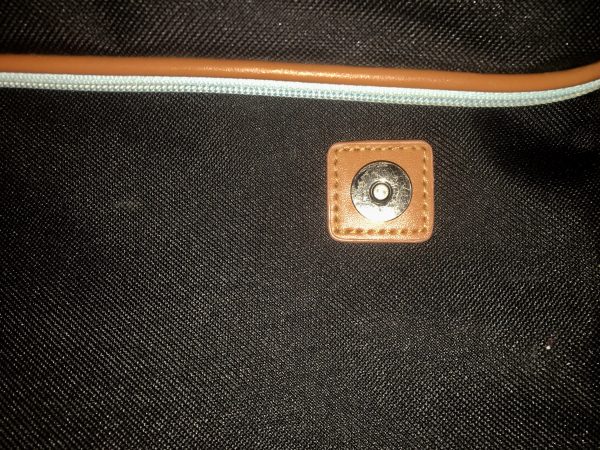
A button on the backpack of one of my peers.
Lupton describes points graphically, as a mark in a position in space in the form of a dot (or visible mark). The relationship between the point and its surroundings make for its own identity instead of blending in. This is particularly from the contrast of the button on the backpack, against the black fabric and the brown leather patch it is attached to.
Line
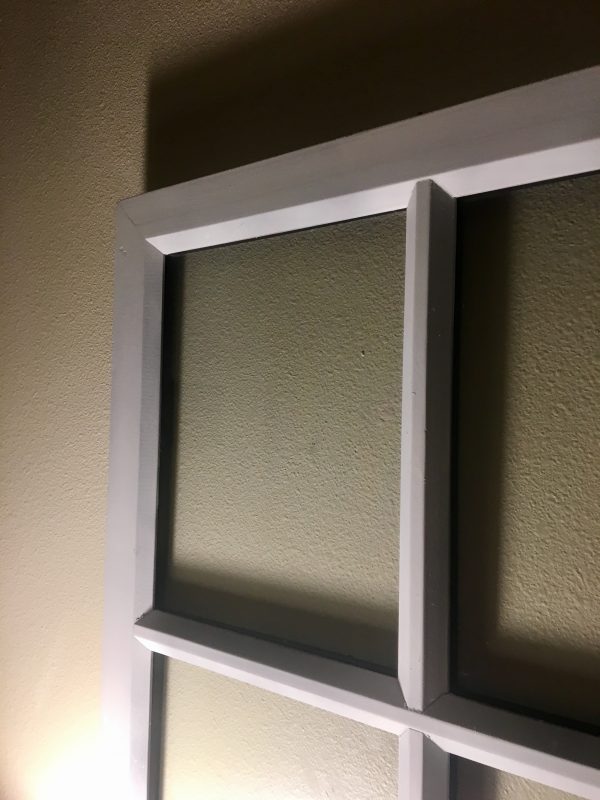
A window pane hanging on my bedroom wall.
The lines are straight, uniform, and align perfectly. Especially with light reflected on the window pane, the lines represent an infinite series of points. The pane depicts edges amongst planes that meet.
Plane
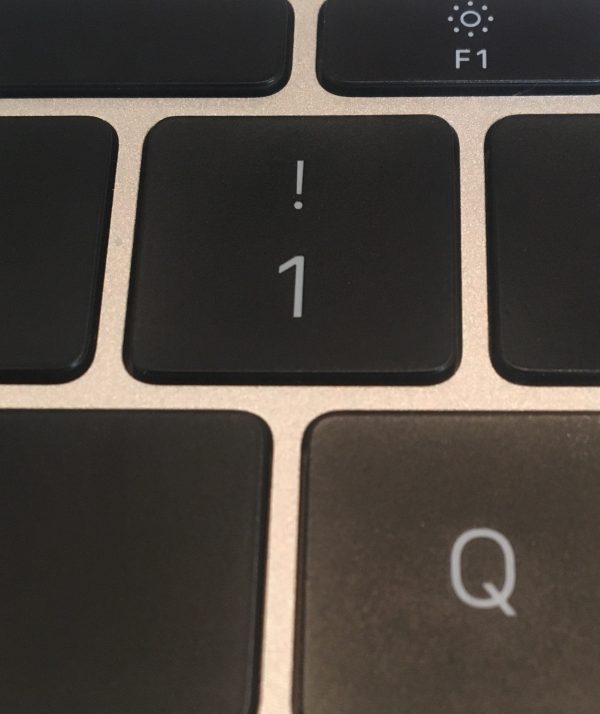
A photo I took of my keyboard.
The lines of silver between the keys on my laptop keyboard are actually not lines at all – they just appear that way as they act as a barrier between each key. They are symmetrical and the contrast of color makes for more definition in this barrier. The 3D nature of the keys also enables plane dimensions. The solid, flat surface and spacing make for an example of a plane.

 Kristin Becker's DTC Classes at WSU