
The image that I have chosen to represent a good example of framing is from Frank Miller’s Vol. 4 of his classic graphic novel Sin City. This page does an excellent job of framing by using Sin City‘s trademark solid black and white coloring. It appears that the illustrator took a solid black page and created images and text boxes using white, introducing the idea of negative space. The image that first caught my eye and probably the image with the most weight and significance is the man in the cage. Since the cage is quite literally a frame for the man and due to the size of the image, I can assume that this is the center of the image and most likely the setting as well. While the setting exists depicted on the right, the action happens on the left. On the left, the audience’s eye can follow a clear downward path moving through text boxes and images of the prisoner’s face each contained in strict rectangular frame and slanted. In fact, all of the images on the page except for one appear slanted and tipped of their supposed bases. The one frame on axis is an unusually small text box, separated from the other images in the bottom right corner. These inconsistencies lead me to believe that the content of the text in this frame holds importance or at least provides a resolution to the page, being the last frame that is to be read on the page and bringing the frames back to axis.
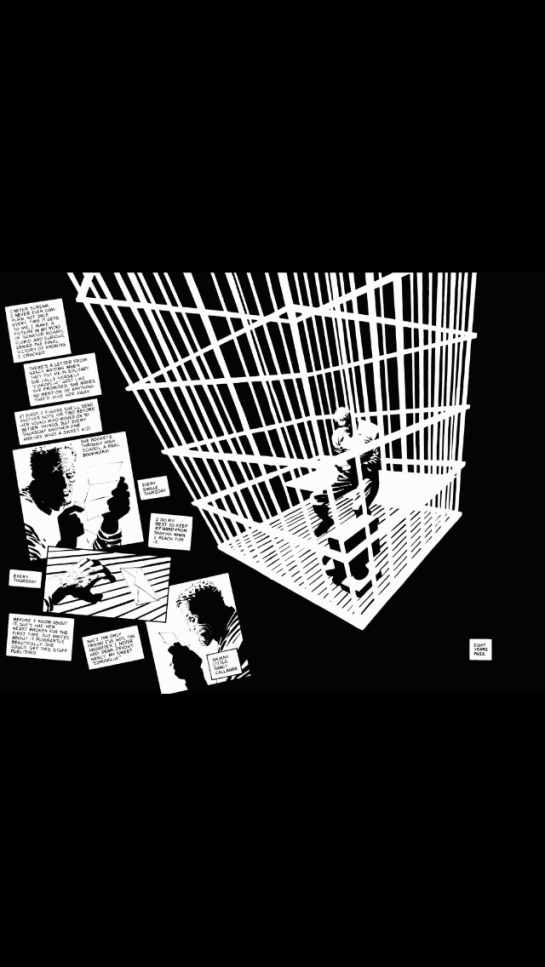
Figure 6 from Frank Miller’s Sin City Vol. 4: That Yellow Bastard, 1996.
 Kristin Becker's DTC Classes at WSU